

Nassauer Haus
Mittelalterlicher Wohnturm gegenüber der Lorenzkirche
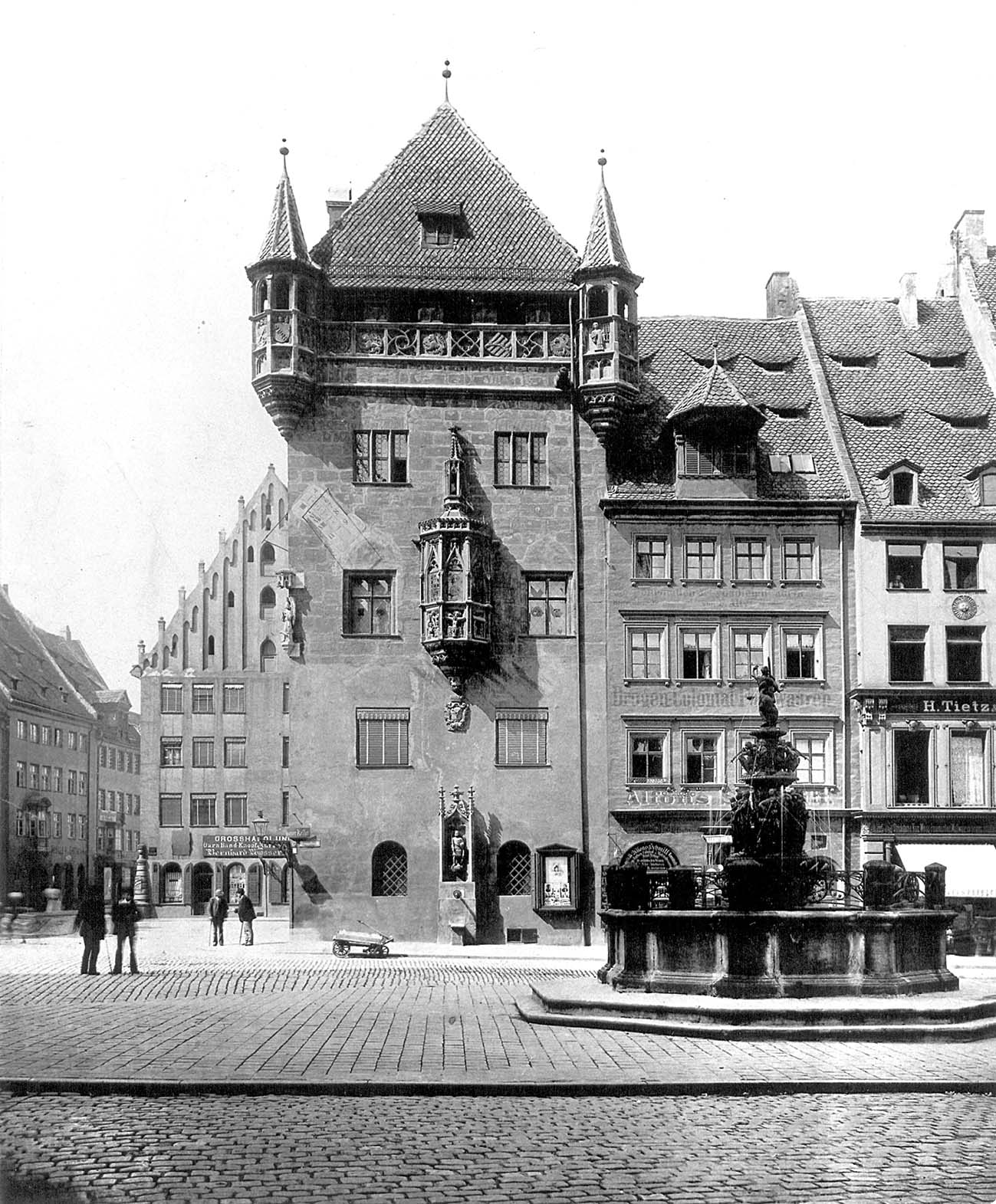
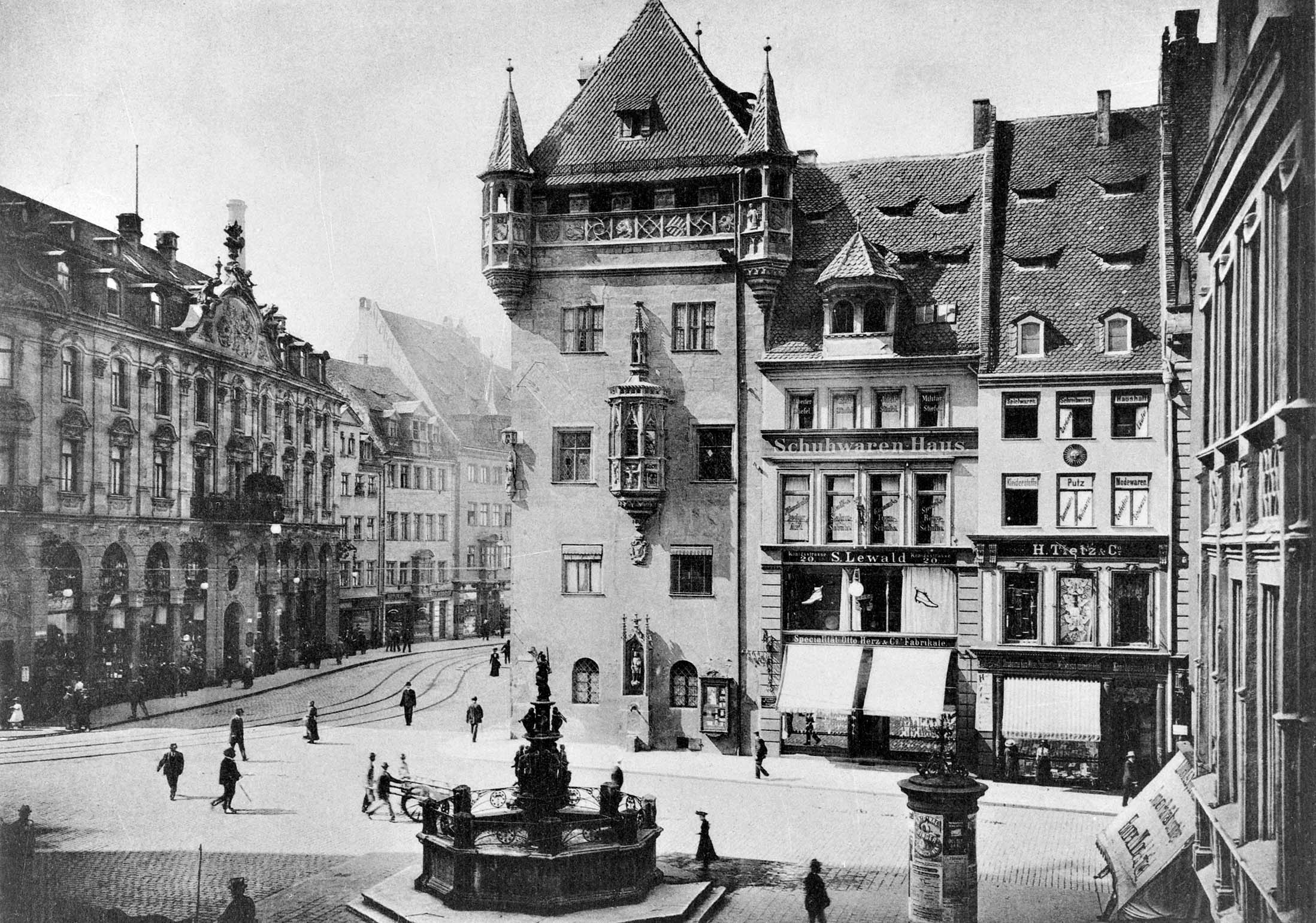
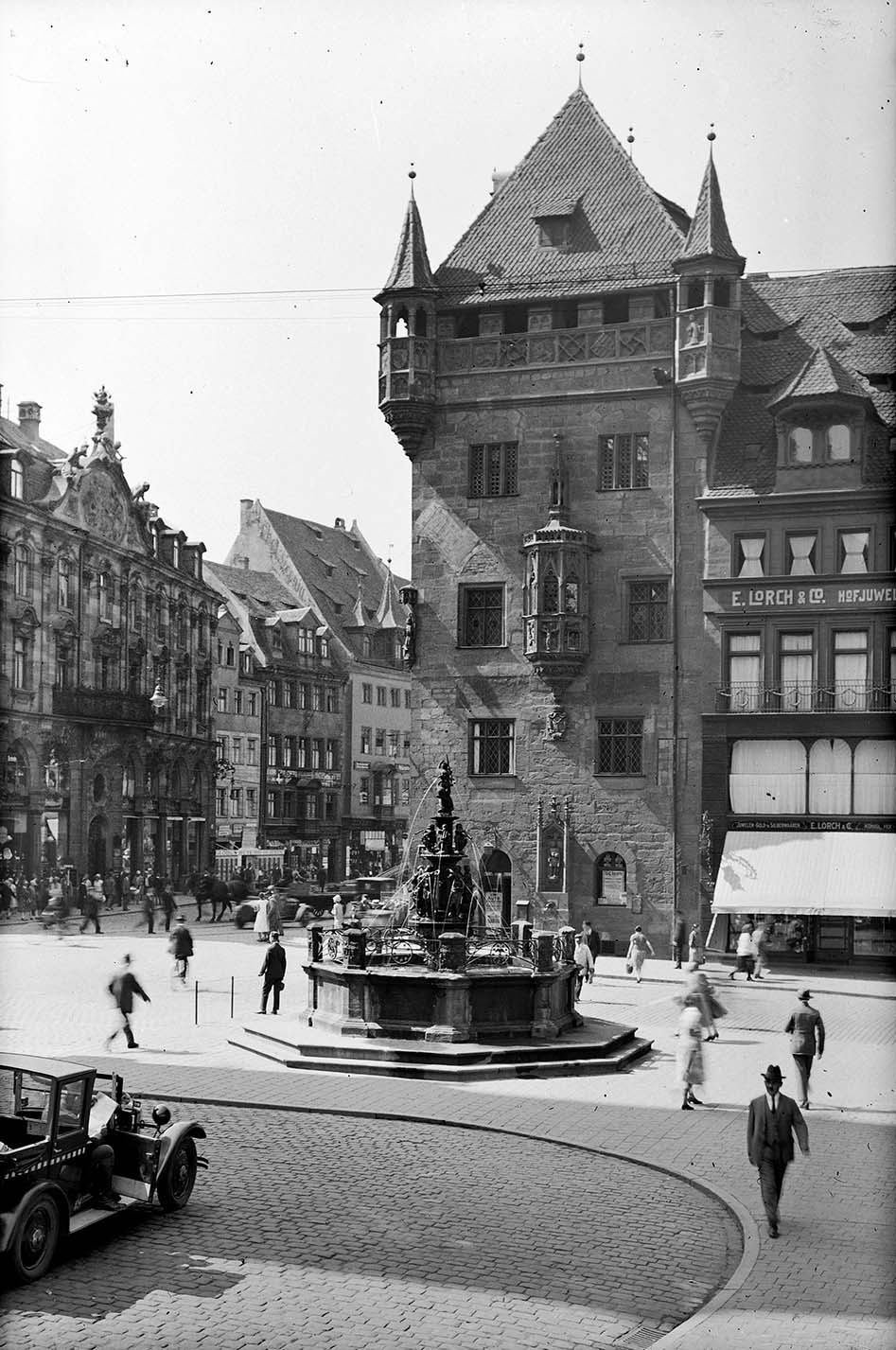
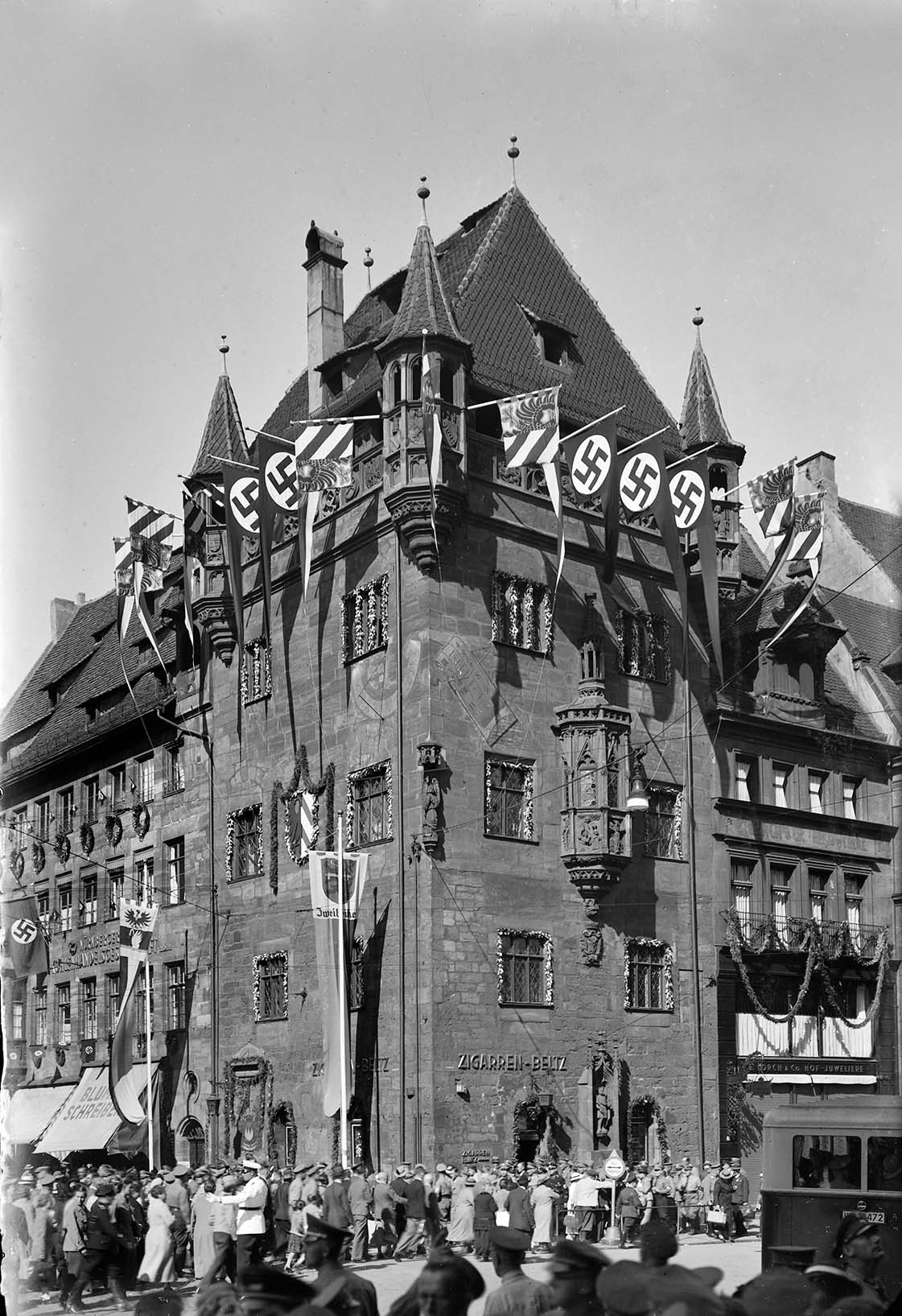
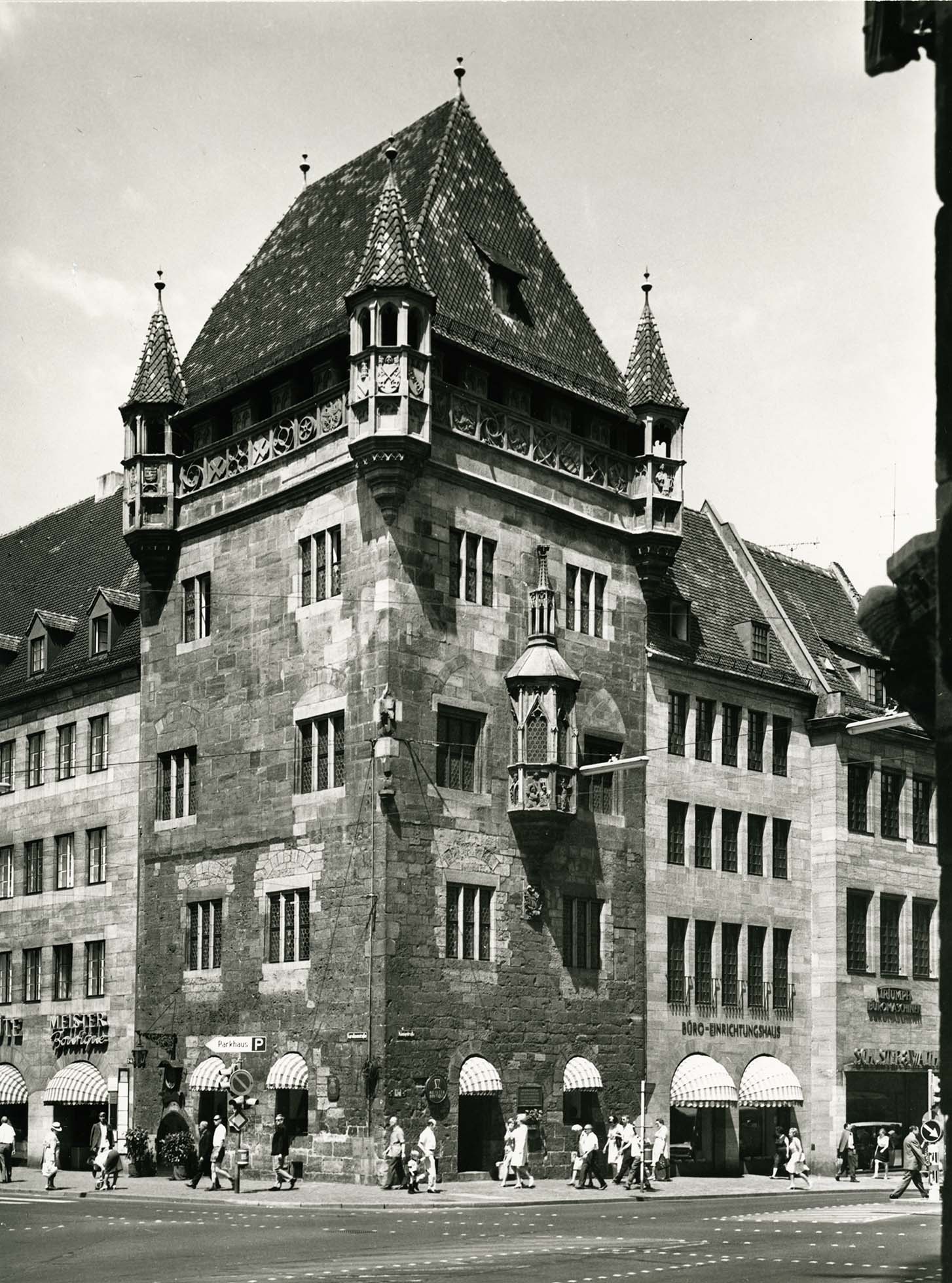
Strolling through the pedestrian zone, it immediately catches the eye - Nassauer Haus, located in the middle of the old town. Contrary to the many half-timbered houses in the city, it is built entirely of castle sandstone. It is the only surviving medieval residential tower in Nuremberg and is one of the city's most famous sights. So it's no wonder that a host of cameras and mobile phones are always directed at the building.

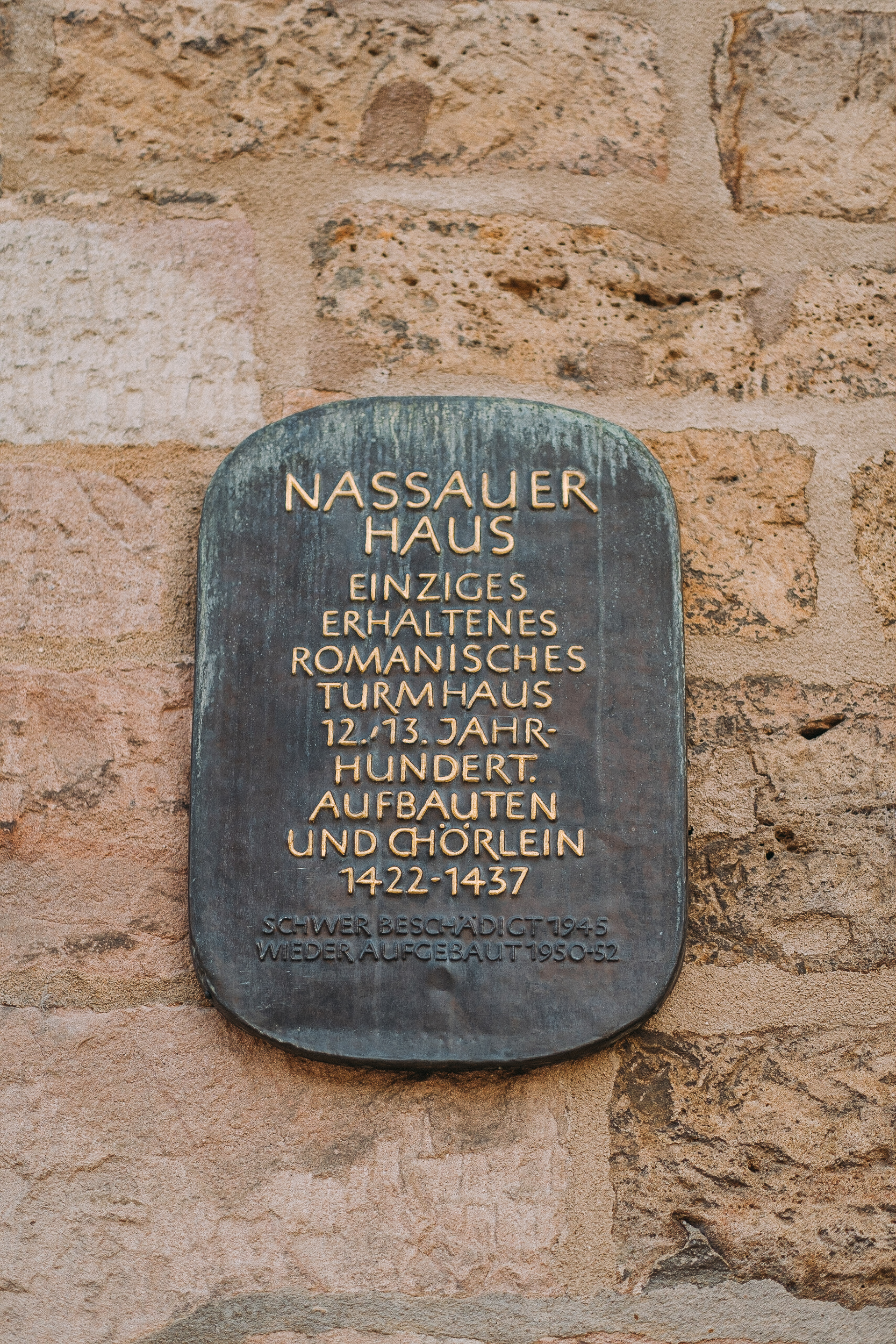
The cellar and ground floor date back to the early 13th century and contain impressive vaulting. This style of construction for defensive tower houses came from northern Italy to Nuremberg in the 13th century. The so-called “Geschlechtertürme” (generational towers) were widespread in the trading centers of that time (as Nuremberg once was), to protect goods against robbery and as status symbols for important families. Around 1430, there were supposedly ca. 65 such houses in Nuremberg; only the Nassauer House survives today.
 © Stadtarchiv Nürnberg A47_KS_127_002
 © Stadtarchiv Nürnberg A41_I-Repro_184_11
 © Stadtarchiv Nürnberg A49_I_He_322a
 © Stadtarchiv Nürnberg A49_I_He_1878
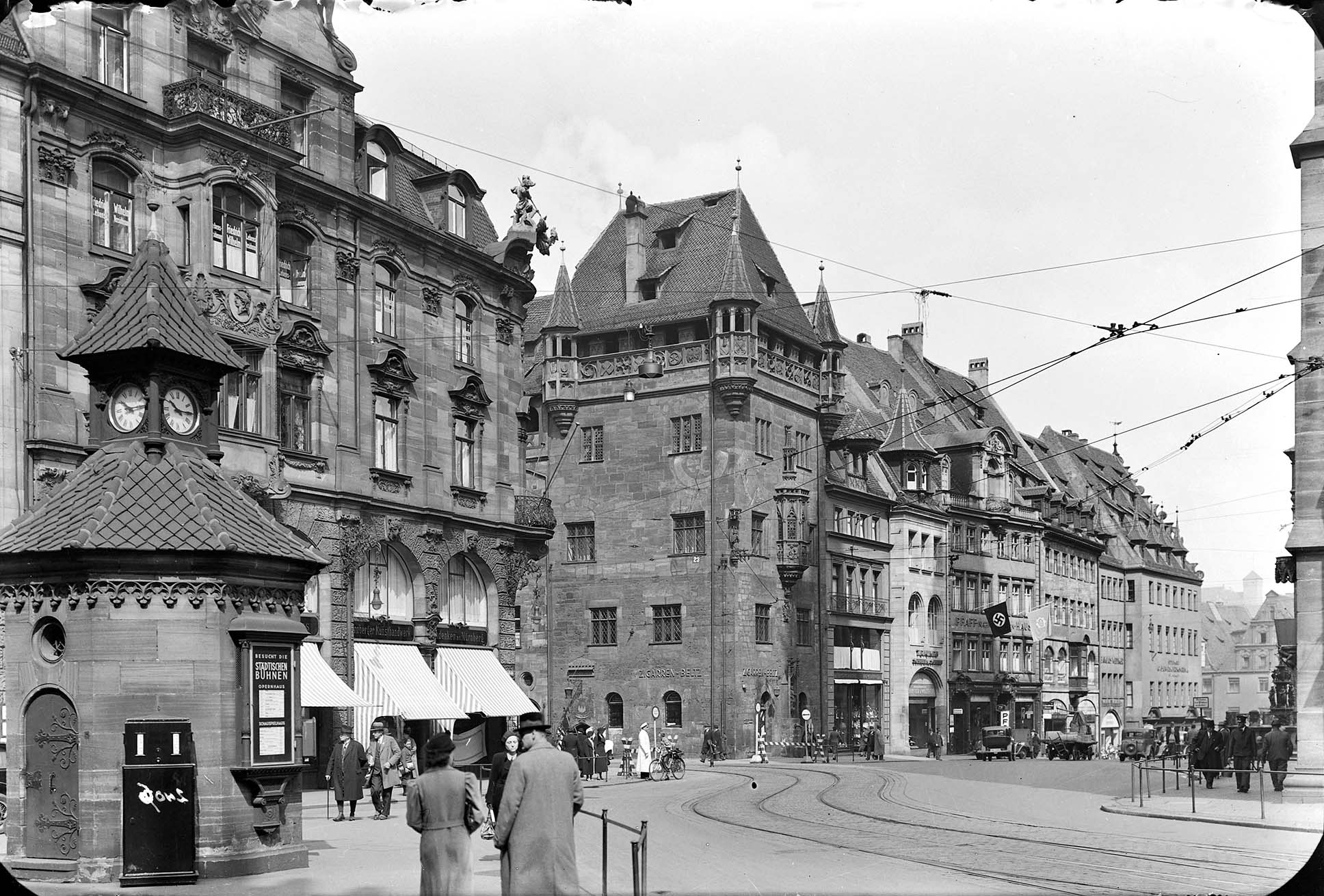 © Stadtarchiv Nürnberg A49_I_He_2406
Over the cellar and ground floor are three Gothic stories built out of sandstone around 1422. On the east side is a delicate “Chörlein” – an oriel made from wood or stone. From ca. 1430, the construction of the distinctive crenellations and the three small towers on the corners of the upper level began. These had nothing to do with defense, but had symbolic value.
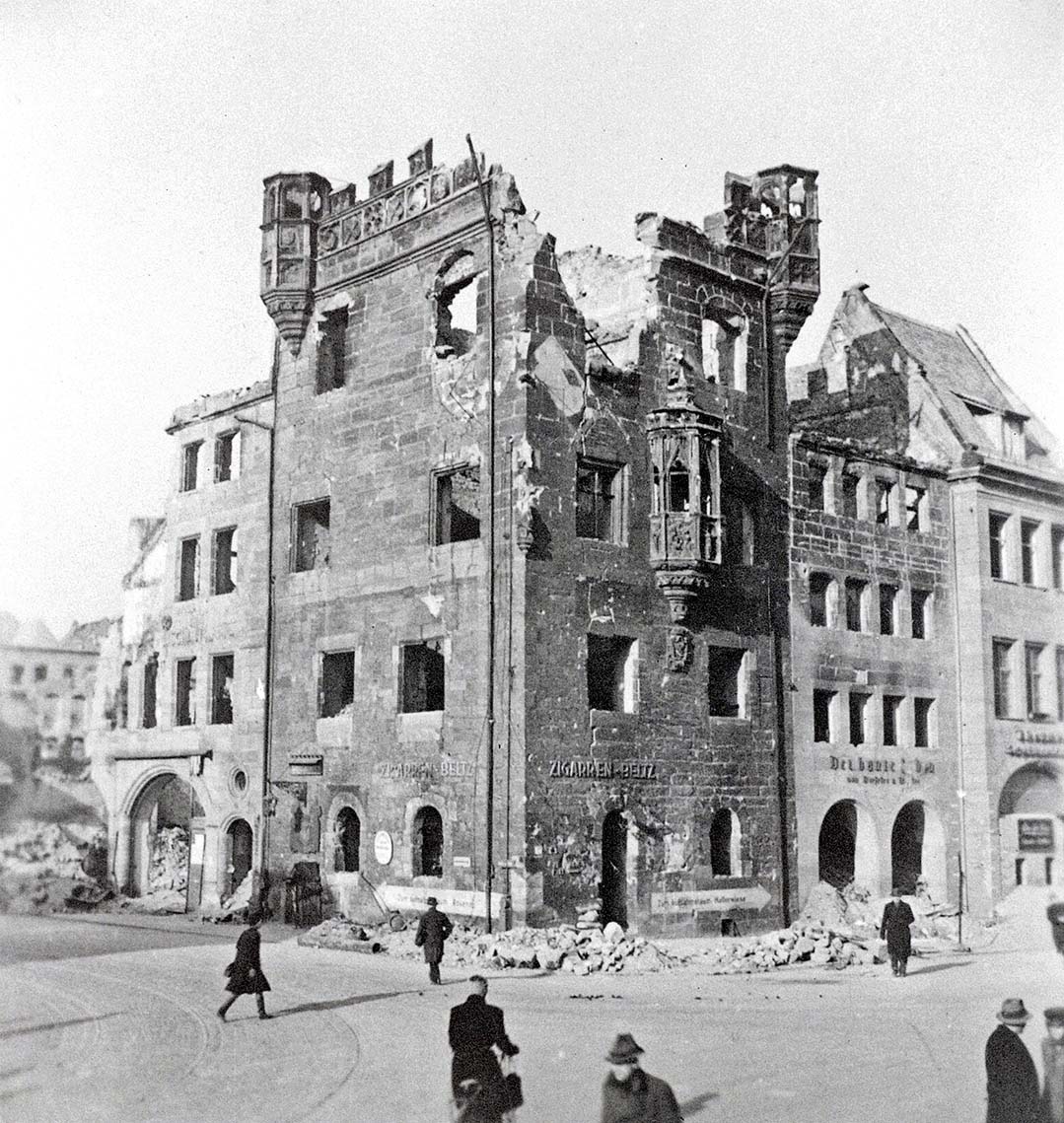 © Stadtarchiv Nürnberg A41_Repro_47_4
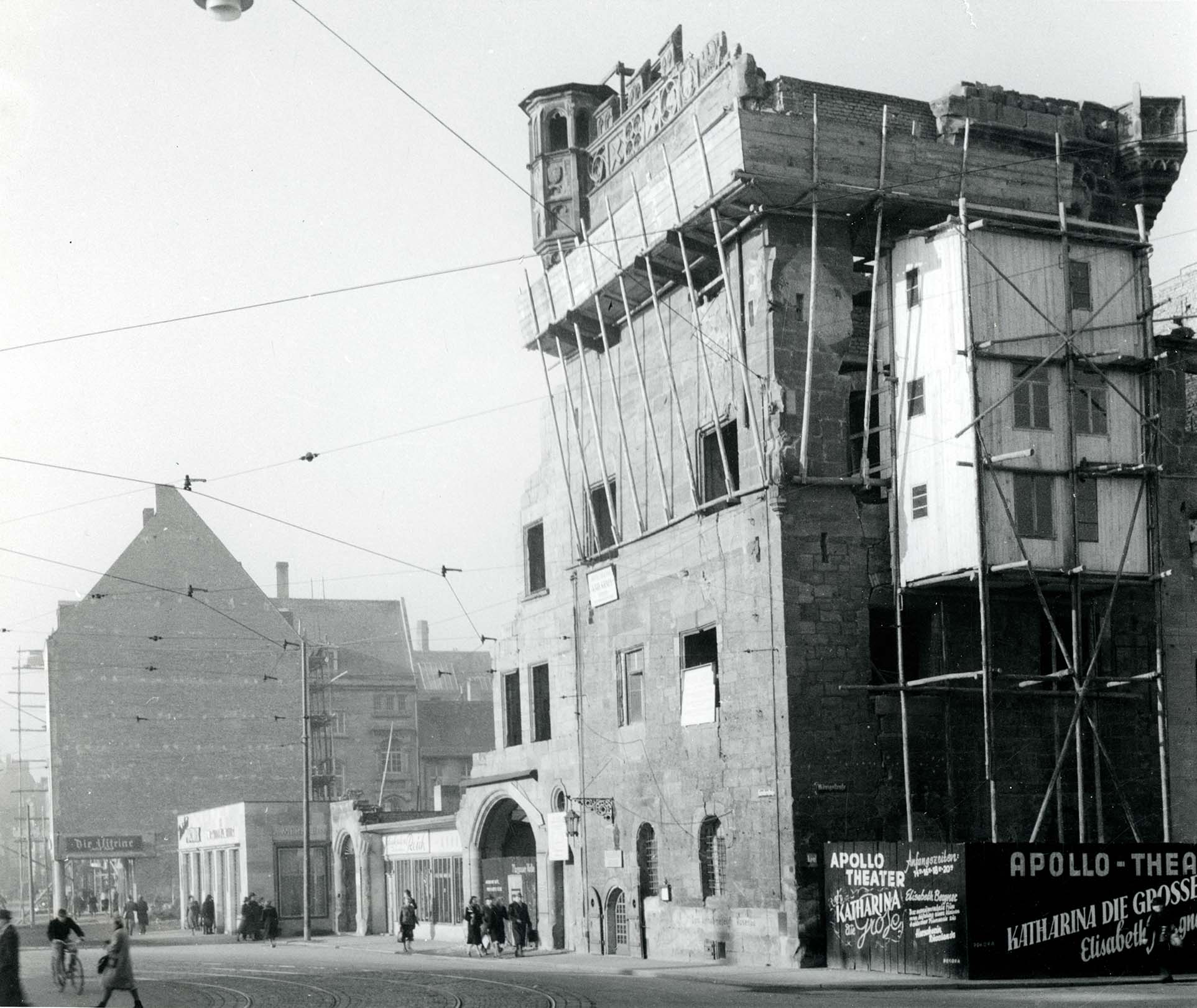 © Stadtarchiv Nürnberg A39_III_Fi-K-230
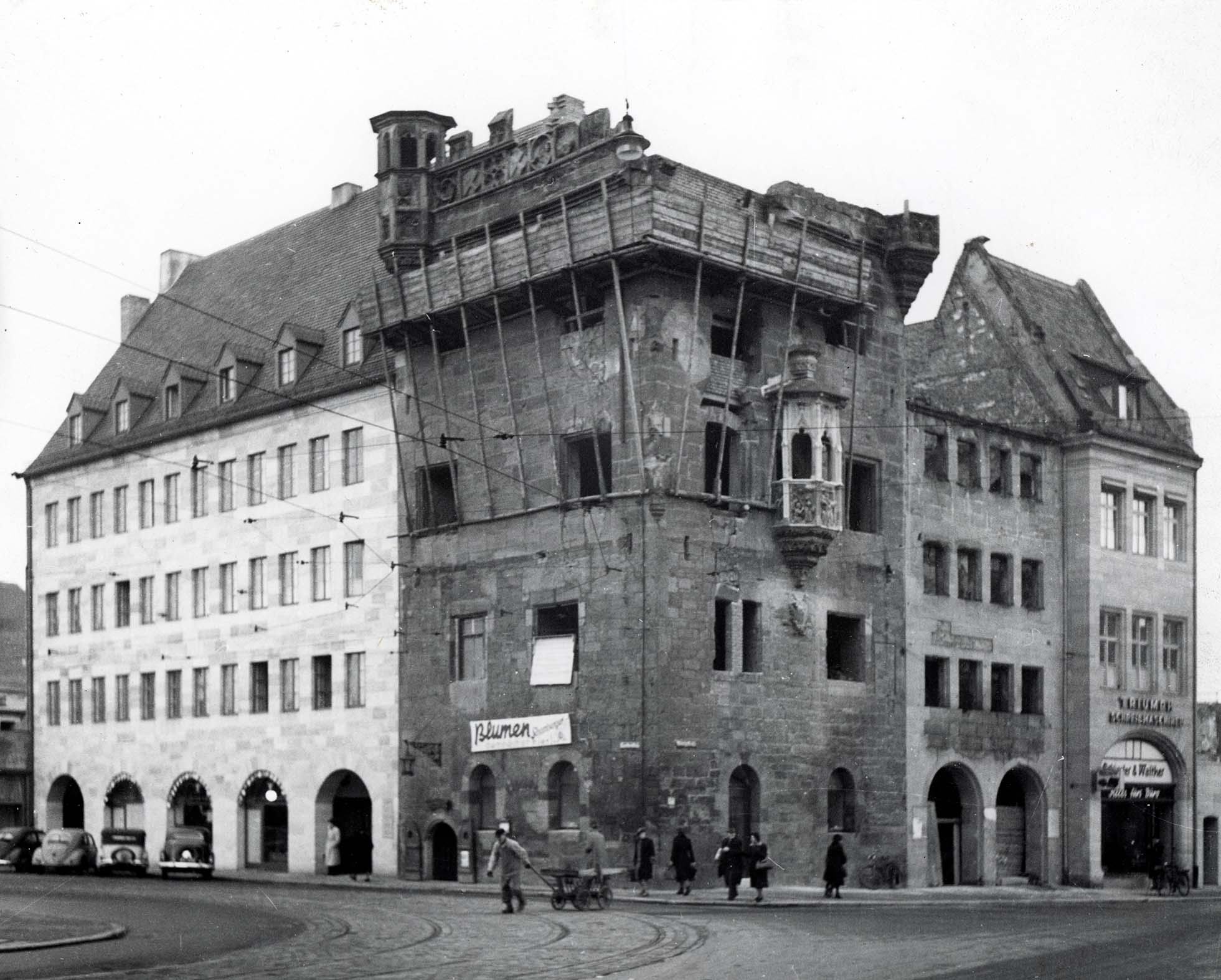 © Stadtarchiv Nürnberg A39_III_Fi-K-375
 © Stadtarchiv Nürnberg A39_III_Fi-K-747
 © Stadtarchiv Nürnberg A39_III_Fi-K-2755
 © Stadtarchiv Nürnberg A40_L-2853-F3-2
Only a few historical buildings in the Nuremberg Old Town were as little damaged in World War II as the Nassauer House. During the bombing in 1945, only the roof and two of the three towers were badly damaged. Reconstruction followed from 1950 to 1952. Since then, the Nassauer House, together with St. Lawrence and the Fountain of the Virtues, is a wonderful ensemble and one of the most beautiful spots in the city. The traditional restaurant "Nassauer Keller" is located in vaulted cellar.
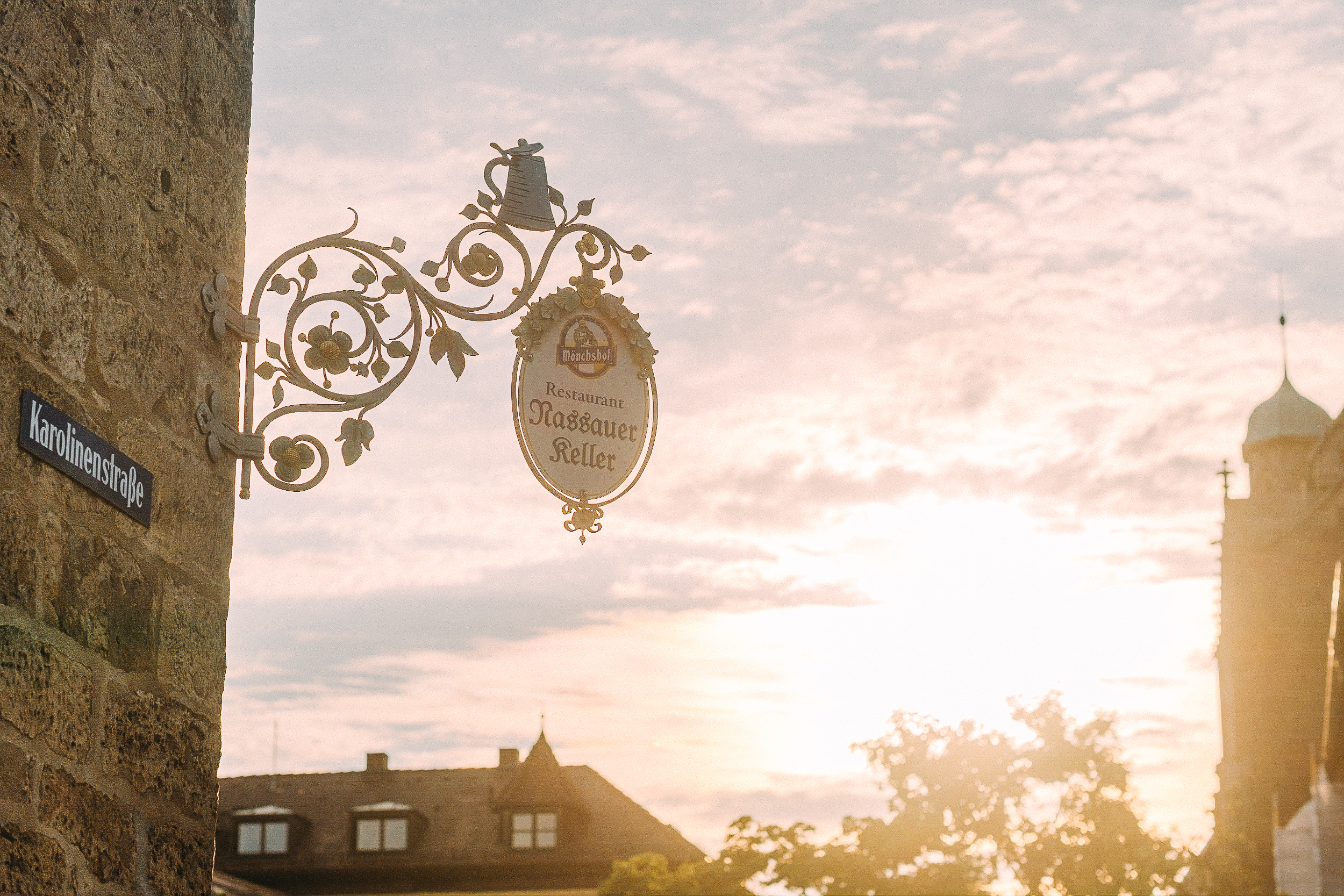
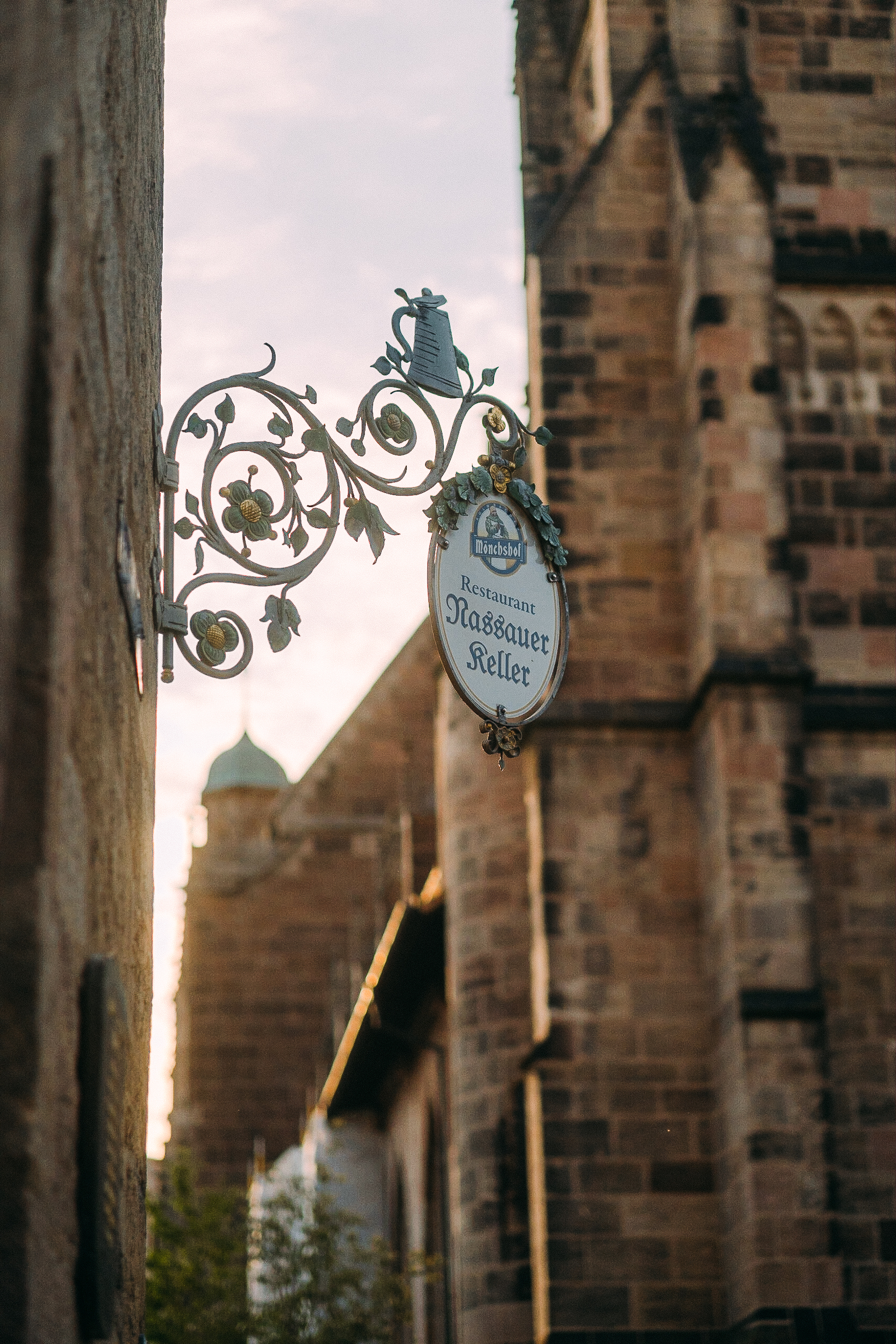
Our recommendation: The Restaurant Nassauer Keller.
When you manage to make your way down the steep steps, you are welcomed by a rustic cellar atmosphere in which you can smell the history! In the 800-year-old, hall-like vaulted cellar of the Nassauer House, you can enjoy Franconian specialties and fine traditional cuisine. Furnishings which match their environment and the narrow space resulting from the architecture gives a true coziness which you can seldom find.

Categories at St. Lawrence Square
Nassauer Haus
JOSEPHS